Winter in Australia is not the end of the garden, it is one of the most rewarding times to be in it. While the rest of the world is battening down the hatches, Australian gardeners across most of the country can still plant, harvest, and maintain a productive plot throughout June, July, and August.
This guide covers exactly what to plant in winter in Australia, region by region, along with practical tips to keep your garden (and your hands) in top condition through the cooler months.
Why winter gardening in Australia is worth it
Many gardeners mistakenly put their tools away once the temperature drops. But Australian winters, particularly in the southern states, are mild enough to support a wide range of vegetables, herbs, and flowering plants. Cooler soil temperatures can actually improve the flavour of certain crops — think sweeter carrots, crisper broccoli, and more tender leafy greens.
Winter is also the season with lower pest pressure. With fewer insects and less fungal activity, you spend less time managing problems and more time enjoying the garden.
What to Plant in Winter Australia: Region by Region
Southern Australia (Melbourne, Adelaide, Perth, Hobart)
June through August are cool to cold, with some frost risk in inland areas. This is your most productive window for cool-season crops.
Vegetables to plant now:
- Broad beans
- Peas (sugar snap, snow, and shelling varieties)
- Broccoli and broccolini
- Cauliflower
- Kale and silverbeet
- Spinach and Asian greens (bok choy, tatsoi, mizuna)
- Leeks
- Garlic (plant cloves directly in June for a summer harvest)
- Onions and shallots
- Beetroot
- Carrots and parsnips
Herbs to plant:
- Coriander (winter is its preferred growing season — it bolts in heat)
- Parsley
- Chives
- Dill
Flowers for winter colour:
- Pansies and violas
- Snapdragons
- Alyssum
- Primulas
Queensland and Northern Australia (Brisbane, Darwin, Cairns)
Winter is the prime growing season in subtropical and tropical regions. With warm days and low humidity, almost everything thrives.
Vegetables to plant:
- Tomatoes
- Capsicum and chilli
- Cucumbers
- Beans
- Zucchini
- Sweet corn
- Eggplant
- All the cool-season vegetables listed above also grow well here in winter
Herbs: Basil, lemongrass, Vietnamese mint, and most tropical herbs do well through June.
ACT and Alpine Regions
Hard frosts are common. Focus on frost-hardy crops planted before the coldest weeks arrive, or use row covers and cloches for protection.
Best bets:
- Broad beans (extremely frost hardy)
- Garlic
- Onions
- Kale and silverbeet
- Overwintering root vegetables from autumn plantings
Six winter gardening tips to keep your garden thriving
- Prepare the Soil First
Winter is ideal for soil improvement. Fork through compost, well-aged manure, or a balanced fertiliser before planting. Cold soil can lock up nutrients, so enriching it now ensures plants have what they need as they establish.
- Protect from Frost
For light frost protection, cover vulnerable plants overnight with a frost cloth or old bedsheets. A thick layer of mulch around the base of plants also insulates roots and retains moisture.
- Water Less, but Consistently
Overwatering is a common winter mistake. Most cool-season crops need far less water than summer vegetables. Water in the morning so foliage dries before nightfall, reducing disease risk.
- Keep Weeding
Weeds do not stop in winter. On mild days, spend 15 minutes pulling weeds before they establish deep root systems. Staying on top of it now prevents hours of work in spring.
- Prune Roses and Fruit Trees
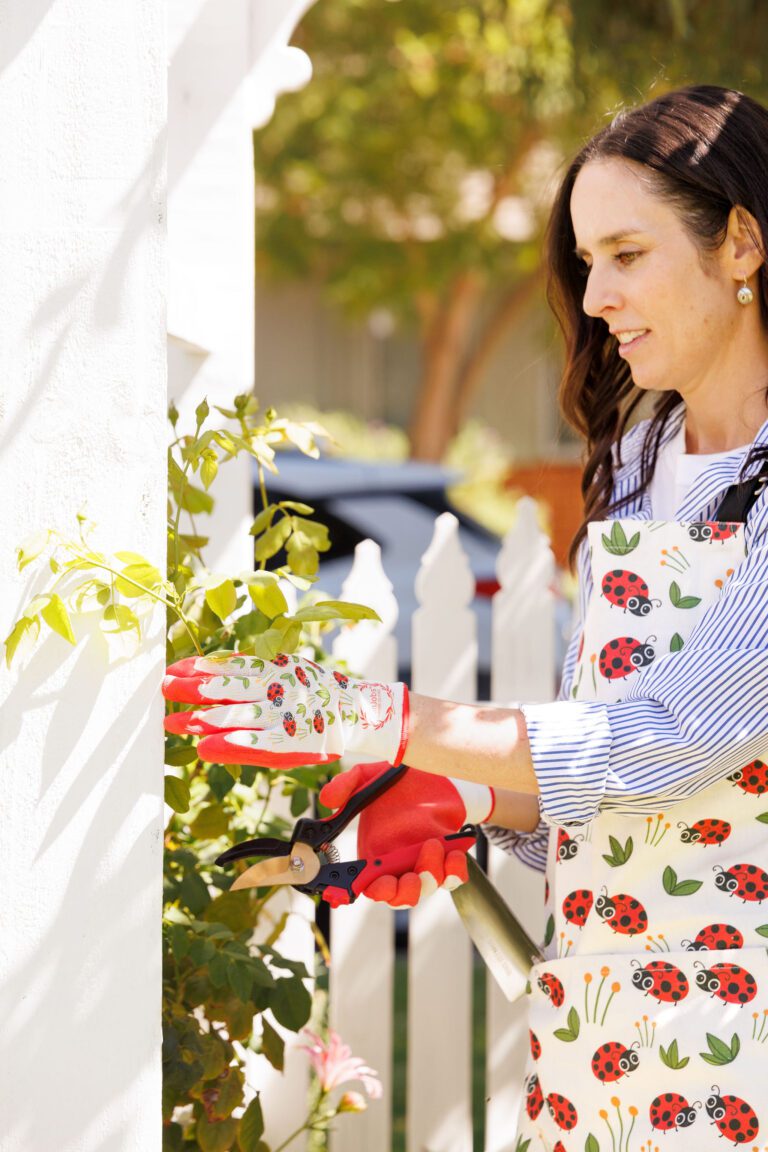
June and July are the right time to prune roses to a framework of strong canes, and to prune deciduous fruit trees such as apples, pears, and stone fruit. Always cut to an outward-facing bud at a 45-degree angle.
- Protect Your Hands
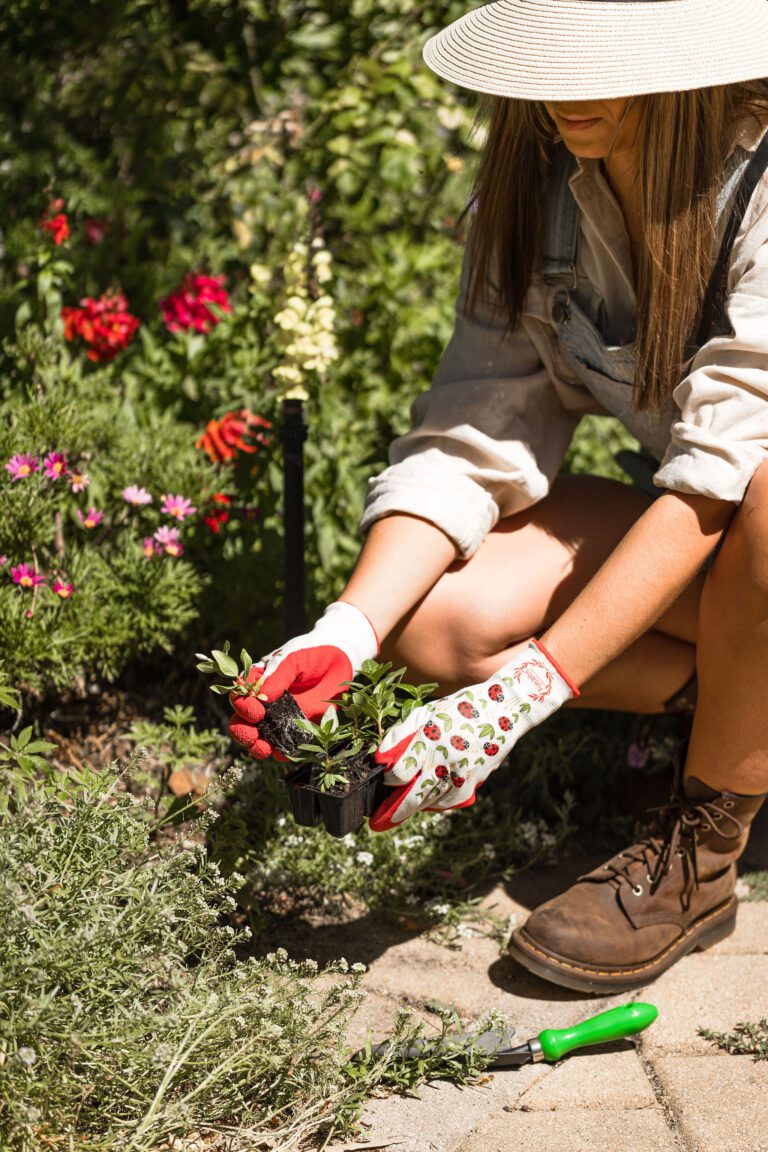
Cold, damp soil and sharp garden debris are hard on hands. A quality pair of waterproof gardening gloves is essential in winter — not just for warmth, but to protect against thorns, rough bark, and wet soil that dries out and cracks skin.
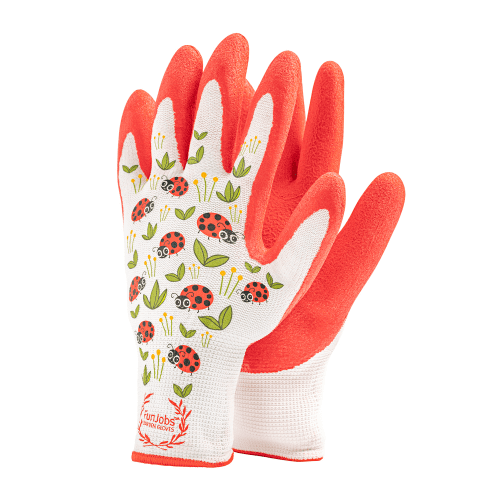
Look for gloves with a double-dipped rubber coating at the fingertips: this prevents the most common point of failure in garden gloves and keeps your hands dry when working in wet soil or handling dripping plants. FunJobs garden gloves are designed specifically for women gardeners with exactly this problem in mind — the double-dipped fingertip design means no splits, no soggy fingers, and hands that stay flexible and protected throughout the winter season.
What NOT to Plant in Winter (Southern States)
Even keen gardeners can waste time and seeds planting warm-season crops too early. Wait until after the last frost date for your area before planting:
- Tomatoes
- Capsicum and chilli
- Basil
- Cucumbers, zucchini, and pumpkin
- Sweet corn
- Beans (French and climbing)
In most parts of Victoria and South Australia, the right time for these crops is from mid-September onwards.
A Simple June Gardening Checklist
Use this as a quick reference for what to action this month:
- Plant garlic cloves (June is the best month nationally)
- Sow broad beans and peas directly into beds
- Start broccoli, cauliflower, and leafy greens from seedling or seed
- Top up compost and mulch in all garden beds
- Prune roses to their winter framework
- Prune deciduous fruit trees
- Divide and replant overgrown clumps of perennial herbs
- Check irrigation and reduce watering frequency
- Put on your waterproof gardening gloves before heading out
Winter gardening in Australia rewards patience and preparation. The crops you plant in June will be on your table by late winter and early spring — crisp greens, sweet root vegetables, and the first broad beans of the season are genuine pleasures that make cold mornings worthwhile
The key is to get out there. Dress for the weather, protect your hands, and make the most of a season that most gardeners underestimate.
FunJobs garden gloves are designed for women who take their gardens seriously. Waterproof, flexible, and double-dipped at the fingertips to prevent splitting — the most common complaint with garden gloves. Available at funjobs.store.